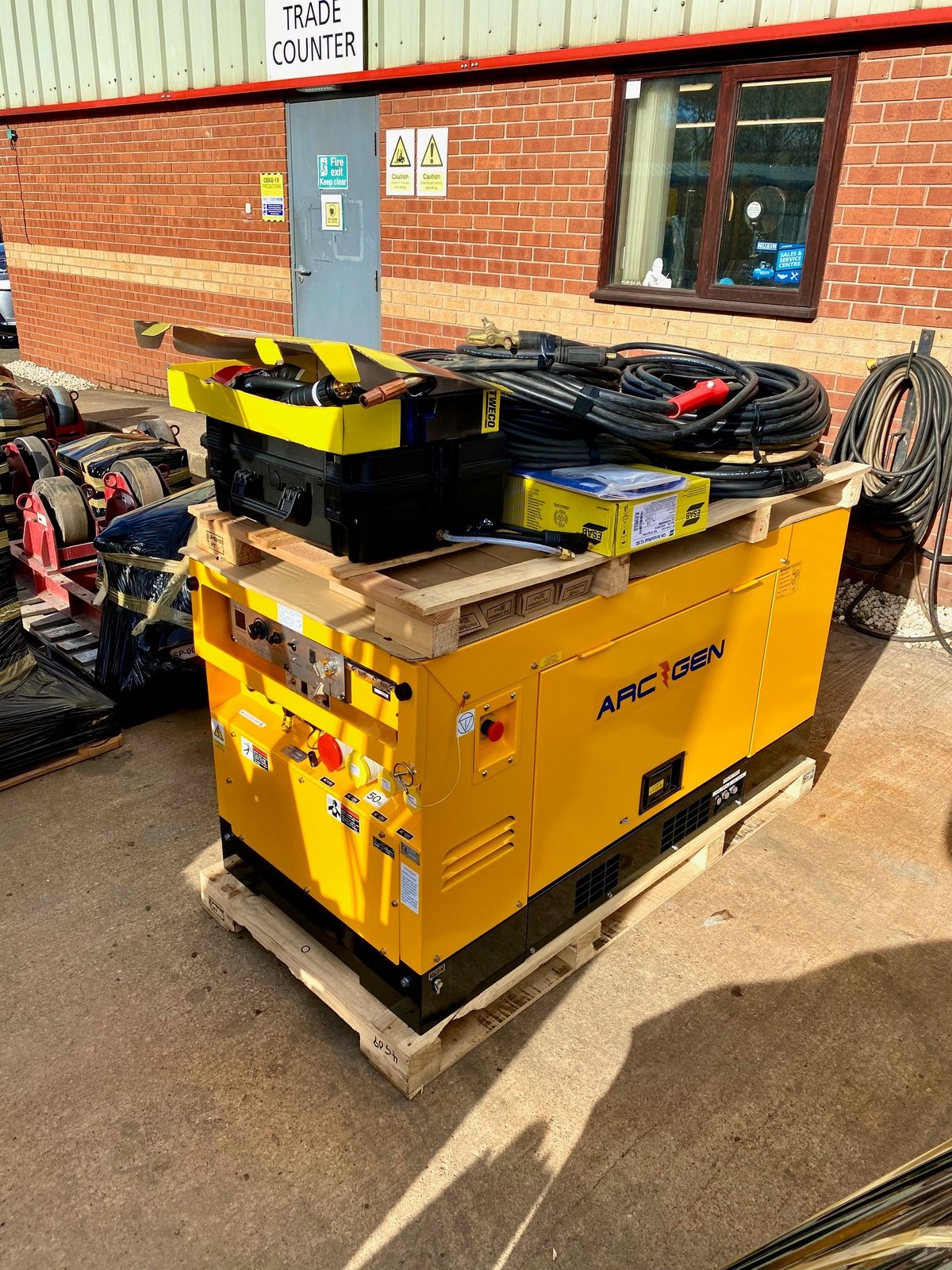
A powerful welder generator is the heart of any serious mobile or field welding operation. But let’s be honest: even the most robust engine-driven welder is only as effective, efficient, and safe as the ecosystem of tools and support systems surrounding it. Truly unlocking your machine’s potential, extending its lifespan, and ensuring flawless work relies heavily on the right welder generator accessories and enhancements. These aren't just add-ons; they're critical components that bridge the gap between capability and optimal performance.
Whether you're a professional fabricator on a remote job site, a farmer making essential repairs, or a hobbyist tackling a challenging project, understanding and investing in the right accessories can drastically improve your workflow, boost your safety, and even save you money in the long run.
At a Glance: Key Takeaways for Optimal Performance
- Safety First: Prioritize personal protective equipment (PPE) and work area safety accessories to prevent injuries.
- Boost Welding Quality: High-quality cables, clamps, and feeder attachments directly impact arc stability and weld integrity.
- Enhance Mobility & Convenience: Carts, remote controls, and extended fuel options make field work easier and more productive.
- Extend Machine Lifespan: Proper covers, maintenance kits, and diagnostic tools protect your investment.
- Expand Versatility: Auxiliary power options allow your welder generator to double as a versatile power source for other tools.
- Smart Upgrades Save Money: Features like auto-idle and cold-weather kits reduce fuel consumption and wear.
Beyond the Box: Why Accessories Are Non-Negotiable
Think of your welder generator not just as a standalone unit, but as the central hub of a dynamic workshop. While the core machine provides the power, it's the carefully chosen accessories and enhancements that truly enable it to adapt to diverse challenges, climates, and tasks. From shielding you from hazards to fine-tuning your arc, these additions elevate your operation from merely functional to exceptionally productive.
Neglecting the accessory ecosystem is like buying a high-performance sports car but skipping the premium tires and regular oil changes. You'll get by, sure, but you'll never experience its true potential, and you'll likely run into problems sooner rather than later. For anyone looking to get serious work done, understanding these enhancements is fundamental. To start, you might want to Explore welder generators and see what base models offer.
Building a Bulletproof Setup: Prioritizing Safety
Before you even strike an arc, safety must be paramount. Welder generators combine high voltage, heat, combustible fuels, and potentially toxic fumes—a combination that demands respect and the right protective gear. Investing in proper safety accessories isn't an option; it's a requirement for staying in one piece.
Personal Protective Equipment (PPE): Your First Line of Defense
No matter how experienced you are, quality PPE is non-negotiable. It's your personal shield against the inherent dangers of welding.
- Welding Helmets: Beyond basic eye protection, modern helmets offer auto-darkening lenses that react instantly to the arc, providing clear vision when preparing and maximum protection during welding. Look for helmets with adjustable sensitivity, delay, and shade control. Comfort and weight are also crucial for long working hours.
- Welding Gloves: You'll need different types depending on the process. Thicker leather gloves protect against spatter and heat for stick or MIG, while thinner, more dexterous TIG gloves allow for precise rod manipulation.
- Welding Jackets, Sleeves, and Aprons: Made from flame-resistant materials like leather or specialized fabrics, these protect your body from sparks, spatter, UV radiation, and heat. They're essential for preventing burns and protecting your regular clothing.
- Respirators and Fume Extractors: Welding fumes contain harmful particulates and gases. A good respirator (N95 or higher, or even powered air-purifying respirators (PAPRs) for heavy use) is critical, especially in enclosed spaces. For larger operations or stationary setups, a fume extractor actively removes hazardous air from your breathing zone.
- Safety Glasses and Ear Protection: Always wear safety glasses under your helmet to protect against flying debris when chipping slag or grinding. Earplugs or earmuffs are vital when working near a running generator or using noisy power tools.
Work Area Safety: Keeping the Environment Secure
Beyond what you wear, the immediate surroundings of your welding operation need careful attention.
- Fire Extinguishers: A class ABC fire extinguisher should always be within arm's reach. Sparks and hot metal can quickly ignite flammable materials.
- Welding Blankets and Screens: These non-flammable barriers protect nearby equipment, vehicles, or sensitive areas from sparks and heat. Welding screens also create a safe zone, shielding others from the bright arc.
- Grounding Clamps and Cables: A secure ground connection is not just for good welds; it's a safety feature that prevents electrical shock. Ensure your ground clamp is robust, clean, and securely fastened to the workpiece or a dedicated grounding point.
- Ventilation Systems: If you're welding indoors or in a confined space, mechanical ventilation is critical to disperse fumes and ensure fresh air. This might range from simple fans to ducted exhaust systems.
- Cable Covers and Organizers: Tripping hazards from scattered welding cables are a common cause of accidents. Cable covers protect cables from damage and create safe pathways for foot traffic. For more insights into staying safe, check out essential welding safety gear.
Precision and Power: Enhancing Your Welding Output
Once safety is locked down, the next frontier is improving the actual welding process. The right accessories can lead to cleaner welds, better penetration, and a more consistent arc, directly impacting the quality of your work.
The Lifelines: Welding Cables and Clamps
The quality of your welding cables and clamps directly affects current delivery and arc stability. Skimping here is a false economy.
- High-Quality Welding Cables: Look for highly flexible, fine-strand copper cables with durable, abrasion-resistant jacketing. The gauge (thickness) is critical; too thin, and you'll experience voltage drop, overheating, and poor arc performance. Thicker cables are needed for higher amperage and longer runs.
- Electrode Holders: Also known as "stinger" clamps, these hold your welding rod. Choose one that matches your amperage needs and offers a comfortable grip. Good insulation is vital for safety.
- Ground Clamps: A solid ground connection is paramount. Heavy-duty brass or copper clamps with strong spring tension provide superior conductivity and prevent arc wandering or unstable current flow. Avoid flimsy stamped steel clamps. For a deeper dive, consider how to choose the right welding cables.
Arc Control and Material Versatility
Expanding your machine's ability to handle different processes and materials makes it far more versatile.
- Wire Feeders (for MIG/Flux-Cored): If your welder generator primarily offers stick welding, adding a separate wire feeder transforms it into a MIG or flux-cored machine. These feeders house the wire spool and control its speed, allowing for continuous welding. They are especially useful for thinner materials and faster work.
- Spool Guns: Essential for MIG welding aluminum, spool guns have a small wire spool integrated into the gun itself, minimizing the distance the soft aluminum wire has to travel, thus preventing tangles and bird-nesting. They connect to specific MIG wire feeders or directly to compatible welder generators.
- TIG Torches and Accessories: While many welder generators are DC-only, some offer AC/DC capabilities or can be adapted for DC TIG welding (scratch-start or lift-arc). A quality TIG torch, foot pedal (for remote amperage control), and gas regulator are crucial for precise TIG work.
- Remote Controls (Hand/Foot): These provide convenient and safe amperage control right at the workpiece, eliminating trips back to the machine. Foot pedals are preferred for TIG welding, while hand remotes are great for stick or MIG, especially in hard-to-reach areas. They improve bead consistency and reduce setup time.
Mobility and Field Efficiency: Enhancing Your Workflow
Many welder generators are designed for portability, but certain enhancements make them truly field-ready, allowing you to maximize productivity on any job site.
Getting Around: Transport and Protection
Moving your heavy equipment and protecting it from the elements is critical for longevity and convenience.
- Wheels and Running Gear: While many generators come with wheels, upgrading to larger, more robust pneumatic tires can make navigating rough terrain much easier. Accessory carts or trailers designed for welder generators offer superior stability and storage for cables and tools.
- Protective Covers and Enclosures: Investing in a heavy-duty, weather-resistant cover protects your machine from rain, dust, UV rays, and general wear and tear during transport and storage. Some enclosures also offer additional sound dampening.
- Fuel Storage and Management: Auxiliary fuel tanks extend your run time significantly, reducing the need for frequent refueling trips. Fuel caddies with pumps offer safe and easy transfer. Don't forget fuel stabilizers for long-term storage and high-quality fuel filters to prevent engine issues. This is also related to routine maintenance for your generator.
- Cable Management: Beyond safety, organized cables prevent damage, tangles, and make setup/teardown faster. Cable reels, hooks, and straps are simple but effective solutions for managing long runs of welding and power cables.
Powering Beyond Welding: Expanding Utility
Modern welder generators aren't just for welding; they're often multi-functional powerhouses.
- Auxiliary Power Outlets and Adapters: Most welder generators come with standard 120V and 240V auxiliary outlets. Adapters allow you to run a wider range of power tools, grinders, lights, and even sensitive electronics directly from your generator. This makes your machine an invaluable compatibility with other power tools source on site.
- Lighting Solutions: For night work or dimly lit areas, robust, portable work lights (LED or halogen) that plug into your generator's auxiliary outlets are essential. Magnetic bases or tripod stands offer flexible positioning.
- Surge Protectors and Power Conditioners: If you're running sensitive electronics or high-draw tools from your generator, a surge protector or power conditioner can protect them from voltage fluctuations and power spikes, which are common with engine-driven power sources.
Maintenance and Longevity: Protecting Your Investment
A welder generator is a significant investment. Regular maintenance, supported by the right accessories, ensures it performs reliably for years to come.
Essential Engine Care Kits
Just like your car, the engine of your welder generator needs consistent attention.
- Air Filters: Crucial for preventing dust and debris from entering the engine, which can cause significant wear. Keep spare filters on hand and replace them according to the manufacturer's schedule.
- Oil Filters and Engine Oil: Regular oil changes are the single most important maintenance task. Use the correct type and weight of oil recommended by the manufacturer. Stock up on filters and oil.
- Spark Plugs: A clean, correctly gapped spark plug ensures efficient combustion and easy starting. Keep spares and a spark plug wrench in your kit.
- Fuel Filters: Prevent contaminants from clogging the carburetor or fuel injectors. Replace these regularly, especially if you're using fuel that isn't always pristine.
- Battery Chargers/Maintainers: If your welder generator has an electric start, a battery maintainer will keep the battery topped up during periods of inactivity, ensuring it starts reliably when needed.
- Diagnostic Tools: Simple tools like a multimeter for checking voltage, an hour meter for tracking service intervals, and a fuel pressure gauge can help diagnose issues before they become major problems. Staying on top of these tasks is key to routine maintenance for your generator.
Smart Upgrades and Future-Proofing
Some enhancements aren't just about maintenance or immediate performance but about improving the overall experience, efficiency, and adaptability of your welder generator for the long haul.
Maximizing Efficiency and Control
These enhancements make your machine smarter and more user-friendly.
- Digital Readouts and Monitors: Some advanced accessories offer digital displays for amperage, voltage, and engine diagnostics (like oil pressure or engine hours). This provides precise control and immediate feedback, allowing you to fine-tune your settings for optimal weld quality.
- Auto-Idle/Fuel Saver Kits: Many modern welder generators come with an auto-idle feature that reduces engine speed when not actively welding, saving fuel and reducing noise and engine wear. If your older model doesn't have it, some aftermarket kits might be available or can be integrated by a professional. This significantly improves optimizing overall welding performance and cost efficiency.
- Cold Weather Kits: For those working in frigid climates, cold weather kits include features like battery warmers, block heaters, and specialized lubricants to ensure reliable starting and operation in sub-zero temperatures.
- Anti-Vibration Mounts: Reducing engine vibration can extend the life of internal components, reduce noise, and improve operator comfort. Upgraded anti-vibration mounts can be a worthwhile enhancement.
Choosing the Right Accessories: A Strategic Decision Guide
Navigating the vast world of welder generator accessories can feel overwhelming. Here’s a framework to help you make informed decisions:
- Assess Your Primary Needs:
- What type of welding do you do most often? (Stick, MIG, TIG, Flux-cored) – This dictates specific attachments like wire feeders, spool guns, or TIG torches.
- Where do you typically work? (Shop, remote job site, indoors, outdoors) – This influences portability needs (carts, covers), safety gear (ventilation, fire blankets), and power solutions (auxiliary tanks, lighting).
- What materials do you weld? (Steel, aluminum, stainless) – This impacts the need for specialized equipment like spool guns for aluminum.
- What's your typical amperage range? – Crucial for selecting correct cable gauges, electrode holders, and ground clamps.
- Compatibility is Key:
- Always verify that an accessory is compatible with your specific welder generator model. Check voltage, amperage, and connector types. Not all accessories are universal.
- Consult your machine's manual or the manufacturer's website for recommended accessories.
- Quality vs. Cost:
- For safety equipment (helmets, gloves, respirators) and critical performance components (cables, clamps), always invest in the highest quality you can afford. These items directly impact your safety and the quality of your welds.
- For convenience items (cable organizers, basic covers), you might find good value in mid-range options.
- Remember, cheap accessories often mean poor performance, frequent replacements, and potential safety risks.
- Read Reviews and Seek Recommendations:
- Check online reviews from other users. Look for common praises and complaints.
- Talk to experienced welders or professionals in your field. Their real-world experience can be invaluable.
- Don't be afraid to ask suppliers or local welding shops for their expert opinions.
Common Mistakes to Avoid When Accessorizing
Even with the best intentions, it's easy to make missteps. Here are some pitfalls to steer clear of:
- Ignoring the Manual: Your welder generator's manual is a treasure trove of information on compatible accessories, maintenance schedules, and safety protocols. Don't overlook it.
- Skimping on Safety Gear: This is the most dangerous mistake. Never compromise on PPE or fire safety equipment. Your well-being is worth the investment.
- Using Undersized Cables: Cables that are too thin for your amperage and length requirements will overheat, cause voltage drop, lead to poor welds, and pose a fire hazard.
- Neglecting Maintenance: Accessories like filters and oil aren't "set it and forget it." Regular inspection and replacement are critical for your generator's health.
- Overloading Auxiliary Outlets: While versatile, your generator has a maximum auxiliary power output. Don't connect too many high-draw tools simultaneously, as this can damage the generator or trip breakers.
- Buying Incompatible Parts: A mismatch in connectors, voltage, or amperage can render an accessory useless or even damage your generator. Double-check before you buy.
Getting the Most Out of Your Investment: A Holistic Approach
Think of your welder generator and its accessories as a cohesive system. Each component plays a vital role in the overall performance, safety, and longevity of your setup. By thoughtfully selecting, properly installing, and diligently maintaining these enhancements, you're not just buying add-ons; you're building a robust, versatile, and dependable welding workstation that can tackle any challenge thrown its way.
From the essential PPE that keeps you safe, to the performance-boosting cables and feeders, to the practical mobility and maintenance kits, every accessory has a purpose. Embrace this holistic approach, and you'll find your welder generator transforms from a simple machine into an indispensable partner, ready to deliver optimal results every time you power it up. Your investment will pay dividends in efficiency, quality, and peace of mind for years to come.